
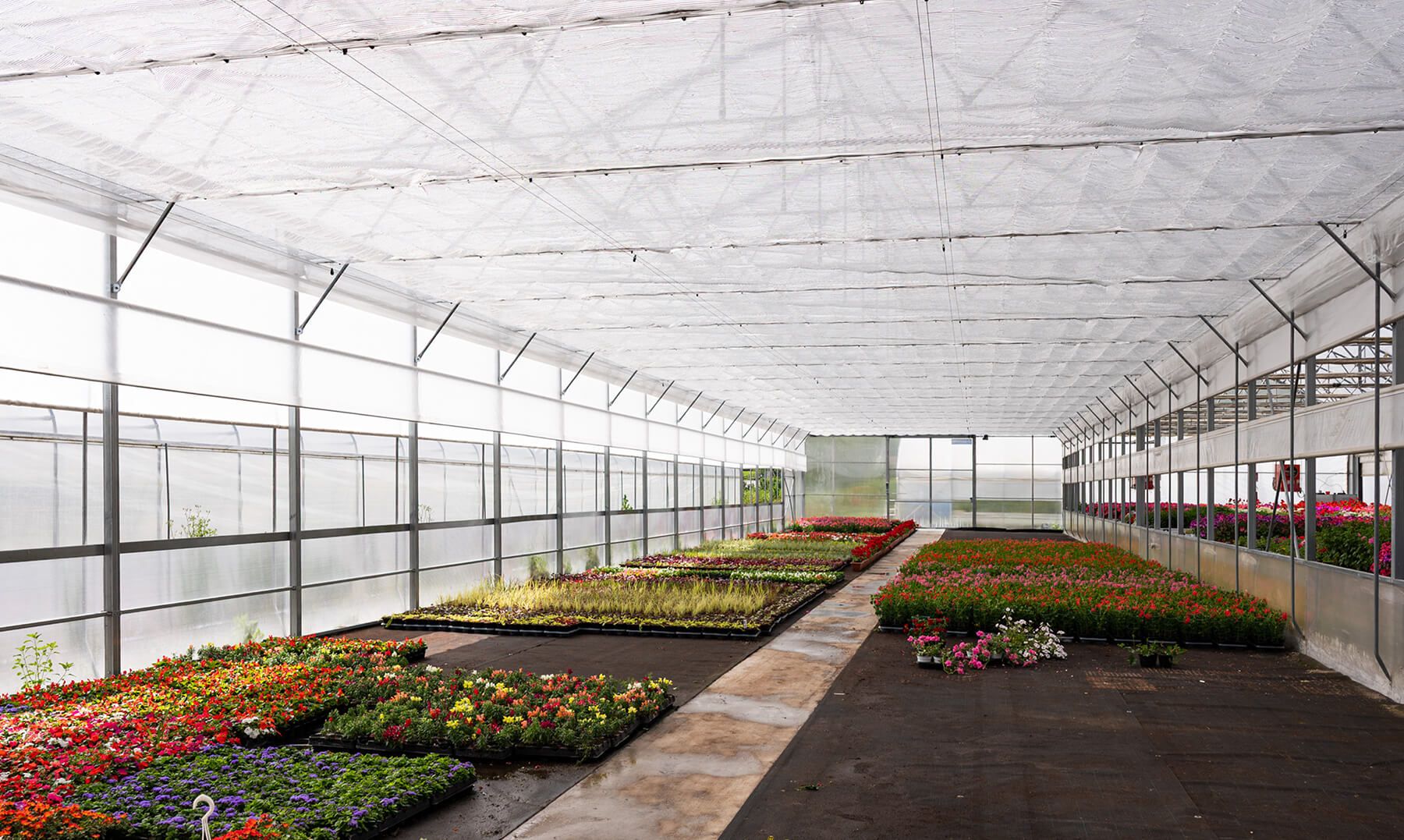
In the world of professional greenhouse cultivation, the covering film is not just passive protection, but a functional and strategic element. Its choice affects structure durability, microclimate, light quality and even crop yield. Using an unsuitable film can result in production drops, higher disease incidence and reduced greenhouse lifespan.
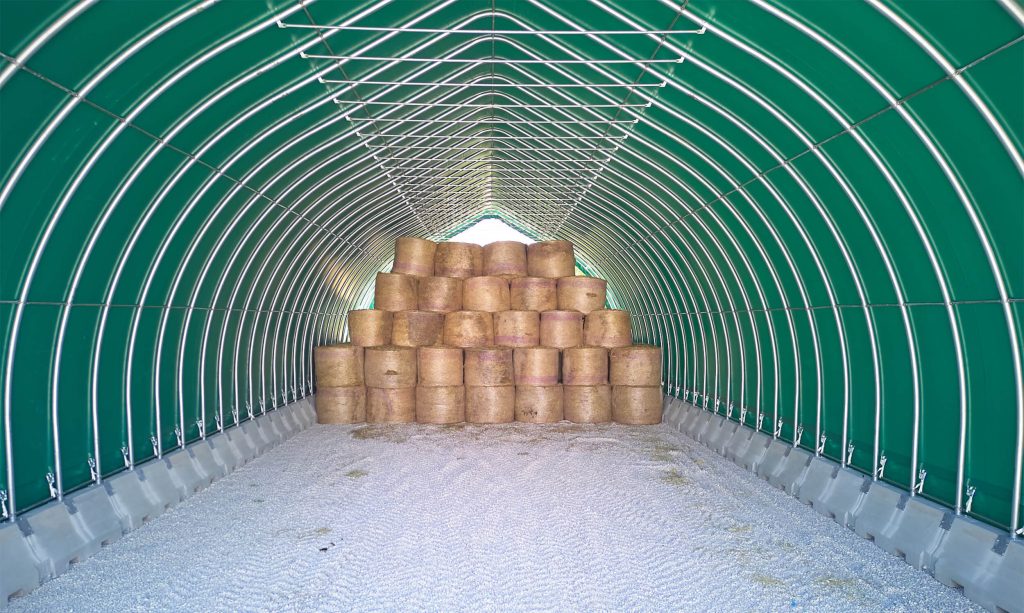
Why Does the Film Make the Difference?
A good greenhouse film affects:
- Protection from weather conditions and UV rays
- Internal thermal and light control
- Condensation reduction and fungal disease prevention
- Photosynthetic efficiency and crop quality
- Durability of the entire structure
Main Types of Professional Greenhouse Films
1. Polyethylene (LDPE, LLDPE)
- Versatile, economical, suitable for many crops
- Available in different thicknesses and surface treatments
2. EVA (Ethylene Vinyl Acetate)
- Greater flexibility and thermal transmission
- Recommended for cold climates or thermally sensitive crops
3. Thermal films
- Limit day/night temperature fluctuations
- Ideal for off-season or winter production
4. Diffusive and TUV (Total UV Spectrum) films
- Distribute light uniformly
- Improve flowering and fruit set in sensitive crops
5. Anti-drip films
- Prevent internal condensation formation
- Reduce the risk of mold and fungal diseases
6. Shading or reflective films
- Lower greenhouse temperature during summer months
- Excellent for areas with strong sunlight
7. Anti-UV and anti-infrared films
- Protect crops and extend film duration
- High resistance to weather conditions
How to Choose the Right Film for your Greenhouse?
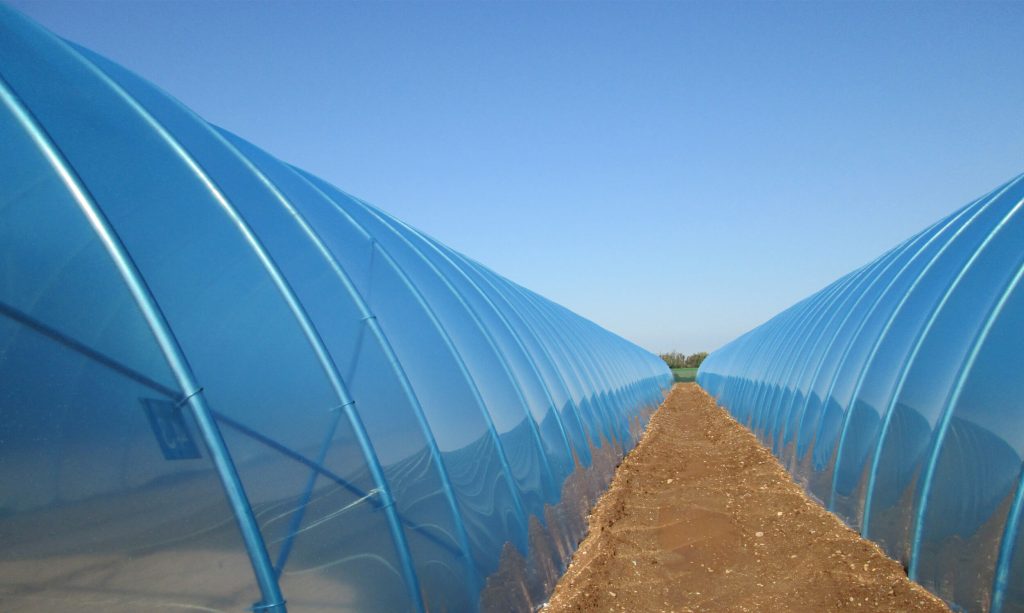
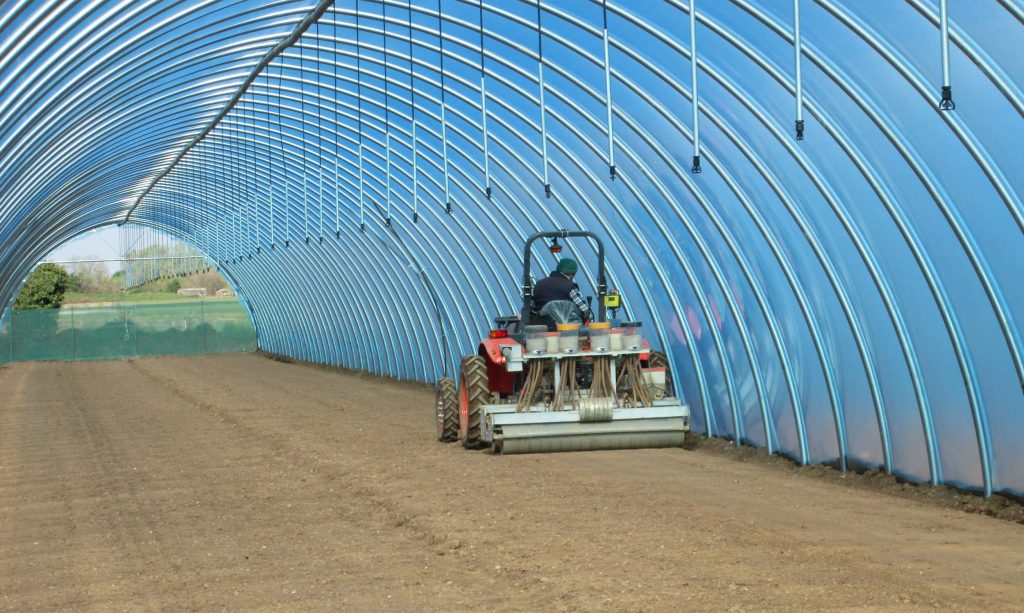
The choice of greenhouse film depends on various factors related to cultivation and environment. The type of crop (vegetables, fruits, flowers or nursery) requires specific needs, as does the climate zone, which can influence the necessary resistance to sun, wind or snow. It is important to also evaluate the film duration, which can vary from 2 to over 5 years thanks to anti-UV treatments, and its weight, usually between 150 and 220 microns. Light transmission is fundamental for stimulating plant growth, as is mechanical resistance against external agents. Finally, additive treatments such as anti-condensation and anti-drip improve the internal microclimate of the greenhouse.
Lucchini technical note: Our technical team offers personalized consultations based on crop, latitude and structure type.
Use and Maintenance: Practical Advice
- Installation: stretch the film uniformly, avoiding areas of water accumulation or irregular tensions. Verify compatibility with the structure’s profiles and accessories.
- Periodic cleaning: prevents film opacity and maintains unchanged light transmission.
- Seasonal checks: verify any wear at ridges, corners and end walls.
- Scheduled replacement: on average every 4–5 years, based on exposure and material.
Errors to Avoid
- Using generic films without UV treatment
- Underestimating the specific microclimate of the area
- Installing on windy days or with incompatible materials
- Not planning maintenance or replacement schedule
The Lucchini Difference: Quality, Expertise and Integrated Services
Lucchini stands out for using certified professional films, carefully selected based on light yield, duration and agronomic efficiency. Each film is designed to guarantee perfect compatibility with all Lucchini-branded structures, thus ensuring optimal results in terms of performance and reliability. The company also offers specialized technical and agronomic consulting services to guide each customer in choosing the most suitable film for their cultivation. To complete the offer, Lucchini provides integrated solutions that include tensioning, shading and ventilation systems, designed to optimize the internal microclimate of the greenhouse. Finally, efficient after-sales service and rapid spare parts availability guarantee continuous assistance and uninterrupted operation.
Frequently Asked Questions
What is the best film for a greenhouse?
It depends on climate, crop and desired duration. A thermal-diffusive film with anti-UV and anti-drip treatment is an excellent choice for most cultivations.
How long does a greenhouse film last?
On average 4–5 years, but can exceed 7 years under optimal conditions and with good maintenance.
How to choose the most suitable film?
You need to evaluate crop, light intensity, local climate and renewal frequency. The advice is to rely on an experienced and specialized supplier, like Idromeccanica Lucchini.
Does the film need maintenance?
Yes. Regular cleaning, tension control and critical point verification guarantee maximum efficiency and duration.
Contact Us for Consultation on Choosing the most Suitable Film for your Greenhouse!
With Idromeccanica Lucchini you cultivate with safety, efficiency and durability.


